For many, vacations are a brief respite, lasting a week or two each year. However, for some adventurous families, traveling is a way of life. They spend months, or even years, navigating the globe by land, sea, or air.

Advertisement
Have child, will travel
Libryia Jones has always dreamed of traveling the world, but obstacles kept getting in her way.
She was offered a year-long internship in China, but was unable to bring her daughter. Attempts to join a group that sends people abroad for a year were also thwarted by the no-child policy.
“I grew tired of being told no for something I really wanted,” Jones explains. So, she took matters into her own hands and co-founded Wandering Moms with a friend. Today, it’s a thriving community of 8,000 traveling women, many of whom are single mothers.
“These mothers are literally giving their children the world!” Jones exclaims.
She organizes what she calls a “wander year,” where they stay in four different locations for three months each, including the Czech Republic, Thailand, South Africa, and Colombia.
According to Jones, it’s a myth that children require a stable environment typical of North American lifestyles. “Stability comes from their parents,” she asserts. “If they have us, they have stability. This could mean a predictable routine of school, homework, and bedtime, or it could be traveling to a new country every three months.”
Traveling with a teenager presents its own set of challenges, especially the need to provide friends and independence that adolescents desire. “I made it a point to involve her in soccer teams in every location,” says Jones. “It was beneficial for her to be around girls her age.”
“She also gained a lot more independence,” she adds, noting that in many countries, safety is often better than in some North American cities. In Prague, for instance, her daughter could ride the tram alone; in Thailand, she would order an Uber for soccer practice.
Education can become a challenge as well, but Jones emphasizes the importance of exploring available options. “There are homeschool curriculums, unschooling methods, and even virtual schools,” she recommends.
Ultimately, Jones believes the advantages far outweigh the obstacles. “You turn textbook lessons into real-life experiences,” she says. Her daughter’s most cherished moments include visiting the Anne Frank House and standing at the spot where Nelson Mandela delivered his first speech after his release from prison.
“At any stage of life, you can choose the path you wish to follow,” Jones encourages. “Your children should not hold you back; they can actually propel you forward. Want to teach them that they can achieve anything? What better way to show them than through your own example?”
Advertisement
From Kelowna to the ends of the world
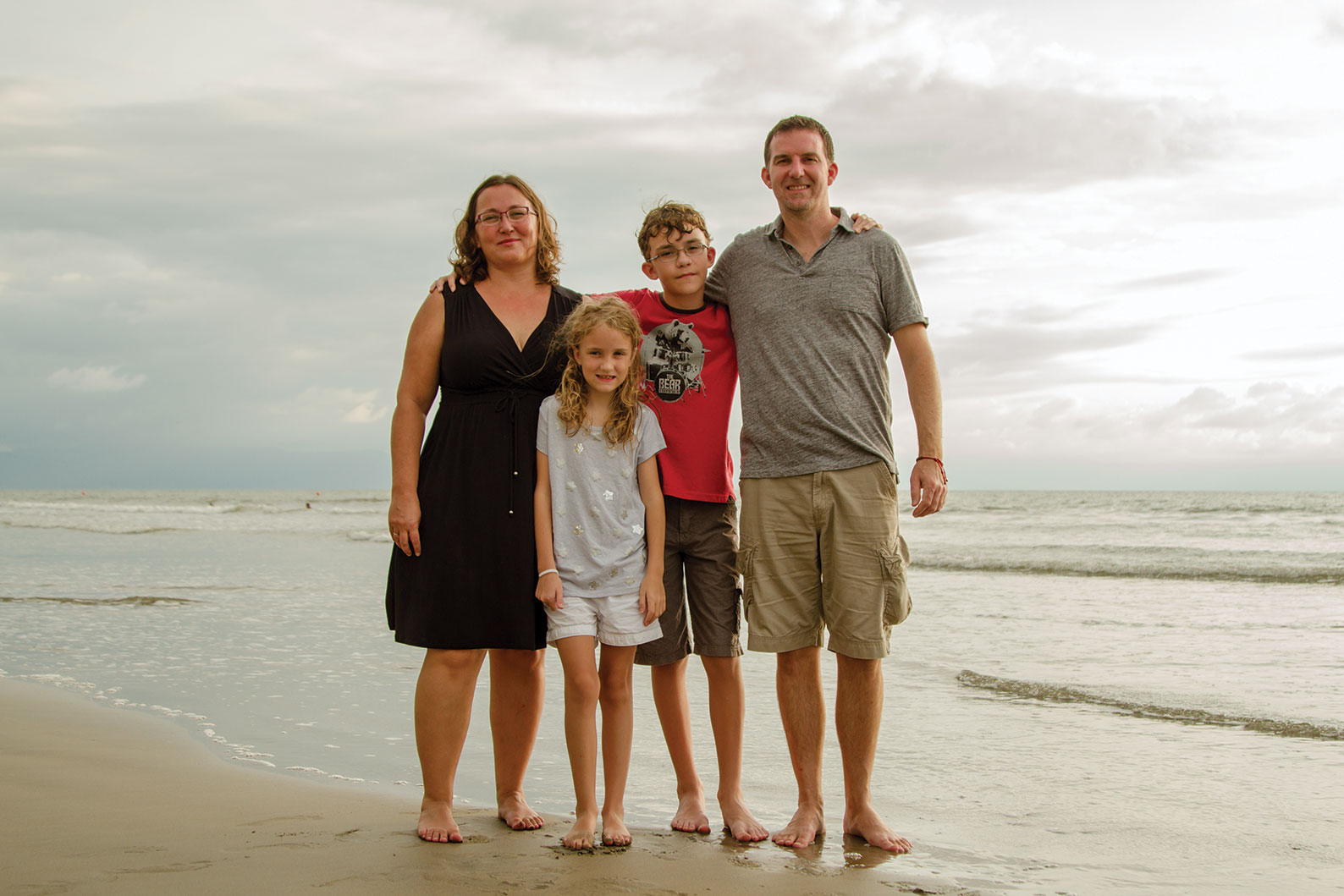
Charles and Micki Kosman reside in Kelowna, BC, though they spend very little time there. Since 2003, they’ve visited over 40 countries.
Despite making adjustments—opting for comfortable accommodations and reliable transportation—their travel adventures continued after having children.
“We realized that having kids might complicate our travels, but we had seen so many families do it successfully, we believed we could too,” Micki shares.
Their son was just three weeks old during a 1,300-kilometer road trip, and by age two, he had already visited many parts of North America, as well as Cuba, Hong Kong, and the Philippines.
“Many people think traveling with children is incredibly challenging,” she says. “In truth, it’s not as complicated as it seems.”
Now that their son is 12 and their daughter is nine, the family recently enjoyed piranha fishing in the Amazon. “We then spent ten days in the Galapagos, snorkeling with turtles, sharks, and sea lions,” Kosman adds.
Their kids are collecting invaluable memories. “Our daughter still dreams of chocolate croissants from a bakery in Spain, while our son fondly remembers boogie boarding in Costa Rica,” reminisces Micki.
A port called home
When I connected with Behan Gifford, she was sailing through the 32 islands of St. Vincent and the Grenadines. “Can I call you back?” she asked. “We might not have internet access for a week.”
Since 2008, Behan, her husband Jamie, and their three children have been exploring the world by sailboat. “When we set sail from Seattle, we thought it would be a two- to five-year journey,” Gifford recalls. “Now, we are amazed to enter our tenth year, with no end in sight!”
On land, Gifford and Jamie were successful by conventional standards. However, while juggling careers and parenting, they yearned for a different lifestyle—one that embraced minimalism and harmony with nature.
“We contemplated various ways to realign our lives but always returned to the idea of living a nomadic life at sea, which we found to be magical for distant travel,” Gifford explains.
The Giffords follow the wind, at times even changing hemispheres to bypass hurricanes. “The specifics can shift significantly,” she notes. “You often must choose between dates and locations, but never both!”
This flexibility has been essential for their family life and approach to parenting. For instance, when it comes to their children’s education, Gifford states, “Homeschooling was not something I initially envisioned, but it became necessary.” Their life at sea has transformed into an extraordinary educational experience.
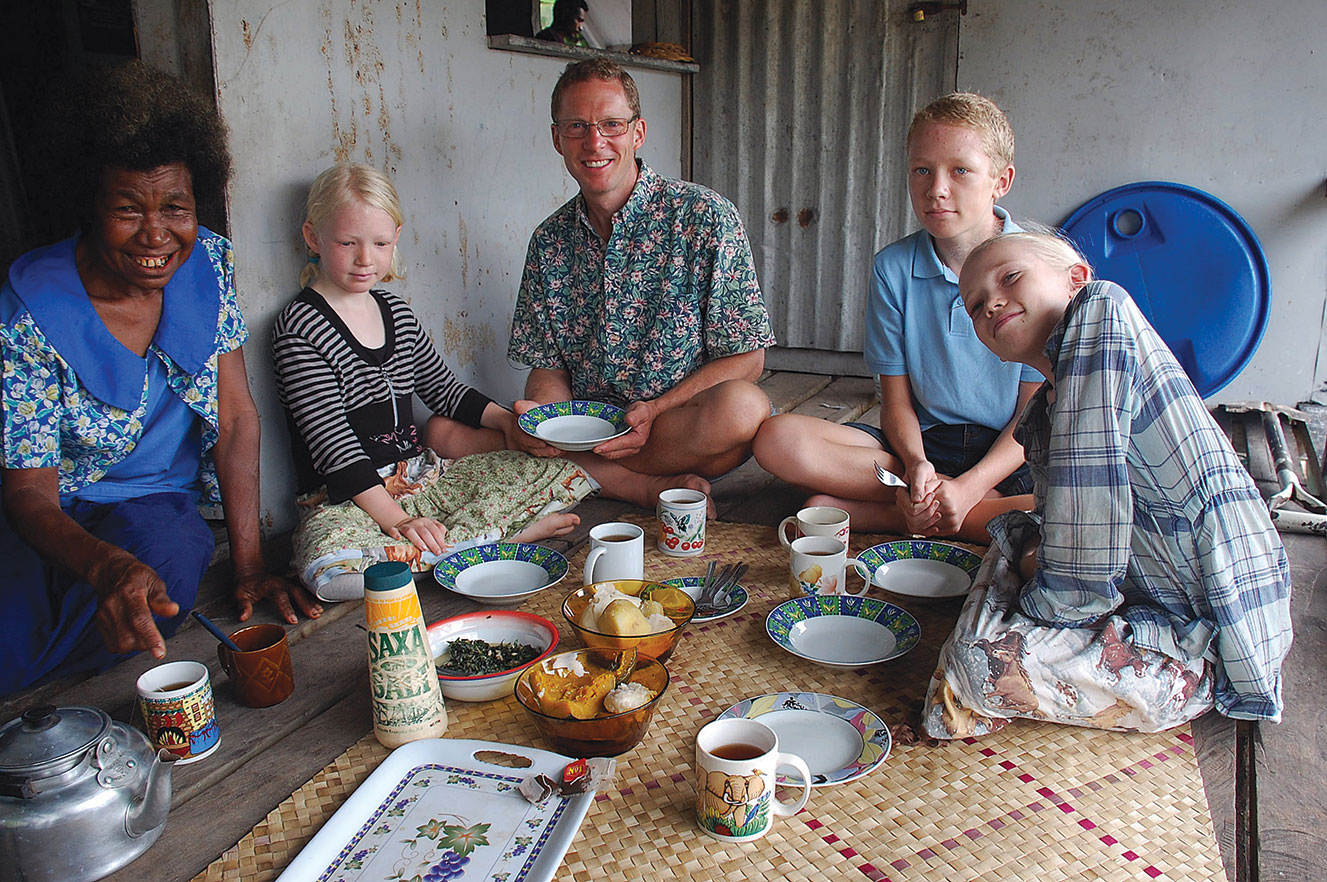
“Our children have gained perspectives based on real-life experiences instead of media narratives,” Gifford explains. “They’ve heard islanders in Papua New Guinea voice concerns over foreign companies exploiting their communities for resources. They’ve dived into enough reefs to distinguish between healthy ecosystems and those suffering from overfishing or climate change. It provides them with a deep understanding of their choices in life, their control over their destinies, and how unique this freedom is worldwide. It’s an invaluable education.”