Are you searching for a peaceful escape from the daily grind? What could be more delightful than immersing yourself in a warm, luxurious bath, especially with calming natural ingredients?
Advertisement
Relaxation Revelations
From the mineral springs of ancient Greece to the hot baths cherished by Roman, Celtic, and Egyptian cultures, the therapeutic use of water has deep historical roots. Some researchers suggest that hydrotherapy’s origins might date back to the dawn of humanity.
Modern research continues to explore the calming effects of water on the body and mind. While much of the focus is on clinical hydrotherapy rather than our personal soaks, here are some intriguing findings from recent studies:
- Water therapy may assist in alleviating fibromyalgia pain.
- Warm baths can enhance heart function in individuals with chronic heart failure.
- Bathing has been found to reduce labor pain for expectant mothers.
- Foot baths can evoke relaxation and diminish stress.
These insights might not be surprising—who doesn’t enjoy a cozy footbath?—but they highlight the importance of dedicating time to ourselves for enhanced emotional and physical health.
Bathing Best Practices
- Enjoy baths with warm, pleasant water; hot water can dry out skin.
- Limit your soak time to 20 minutes to avoid skin irritation.
- Gently pat your skin dry instead of rubbing to retain moisture.
- Apply a moisturizer after bathing while your skin is still damp for effective hydration.
Your Essential Bath Toolkit
It’s time to discard those outdated bubble baths and worn-out sponges. Instead, stock up on eco-friendly and all-natural bath additives that enrich your relaxing soak.
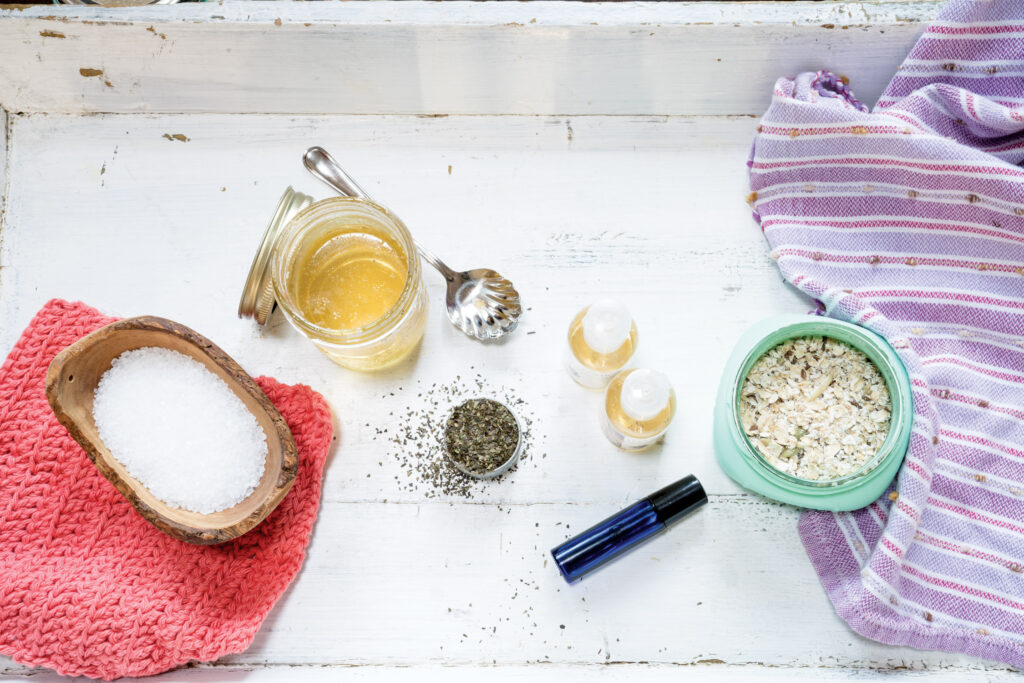
Oatmeal
If you’ve ever had an oatmeal bath to soothe chickenpox as a kid, you know oatmeal effectively calms itchy, irritated skin. Look for colloidal oatmeal (finely ground oats meant for baths) at health food stores, or create your own by grinding plain, uncooked oats.
Usage: Toss a handful into your bath and soak for 5 to 10 minutes.
Epsom Salts
Composed of magnesium and sulfate minerals, Epsom salts have numerous health benefits. They’re widely available and thought to relieve sore muscles and inflammation, making for a soothing end to your day.
Usage: Add 2 cups (500 mL) to your bathwater and soak for 10 minutes.
Green Tea
Green tea, known for its high antioxidant content, is not only beneficial to drink but can also be a great addition to your bath.
Usage: Add about six bags of green tea to the bathwater, allowing them to steep for 15 to 20 minutes before removing.
Honey
Including honey in your bathwater creates a fragrant, skin-softening experience. Beyond its delightful scent, honey is excellent for retaining moisture and possesses antibacterial properties.
Usage: Use natural honey from your local health store and add 1/4 cup (60 mL) to the bath.
Bath Oils
Bath oils enrich your skin, leaving it exceptionally smooth. Opt for oils derived from plants or nuts, such as jojoba, almond, flax, sunflower, or coconut oil.
Usage: Follow the instructions on the label, usually adding a few drops to warm bathwater.
Natural Bath Bombs and Soaks
Pre-packaged natural bath salts, soaks, and exciting fizzing bath bombs are easily found in health retail stores, providing plenty of options.
What to Look For: Select products tailored to your skincare needs and scent preferences, such as:
- Relaxing lavender flowers or oil
- Energizing essential oils of lemon, grapefruit, tangerine, or sweet orange
- Calming chamomile
- Luxurious vanilla
- Invigorating mint
- Soothing oats
- Purifying sea salt
- Moisturizing almond oil
- Wholesome milk
- Nourishing vitamin E
Usage: Choose products free from artificial colors, preservatives, or fragrances and follow package instructions since each product varies slightly.
Essentials for Your Bathtub
Accessory |
Benefits |
| Organic Body Oil |
|
| Essential Oils |
|
| Bath Caddy |
|
| Bath Pillow |
|
| Candles |
|
Essential Oils
Essential Oil |
Therapeutic Benefits When Added to the Bath |
| Lavender |
|
| Chamomile |
|
| Rosemary |
|
| Peppermint |
|
| Eucalyptus |
|
Getting Radiant
Many exfoliating products, such as body scrubs, are typically for the shower, but you can incorporate exfoliation into your bathing routine too.
Body Brush
To soften your skin, exfoliate your body using a natural bristle brush before you bathe, brushing in long, sweeping motions toward your heart.
Body Wash
Opt for a moisturizing body wash enriched with natural oils to improve dry winter skin.
Moisturizer
After your bath, apply a natural-scented moisturizer immediately after patting yourself dry with a towel. Ensure it doesn’t contain parabens or phthalates.