This is my Year-End portfolio update for 2025, encompassing all our combined 401k, 403b, IRAs, and taxable brokerage accounts, while excluding our home and a small portfolio of self-directed investments. In the spirit of having skin in the game, I share this as an example of our actual, imperfect DIY portfolio rather than as investment advice.
“Never ask anyone for their opinion, forecast, or recommendation. Just ask them what they have in their portfolio.” – Nassim Taleb
How I Monitor My Portfolio
Here’s my method for tracking my portfolio across various brokers and account types:
- The Empower Personal Dashboard portfolio tracking tools (free) automatically log into my different accounts, aggregate my balances, track my performance, and calculate my overall asset allocation on a daily basis. This tool was previously known as Personal Capital.
- Every quarter, I also update my manual Google Spreadsheet (free to copy, with instructions) to determine how much I need in each asset class for rebalancing toward my target allocation. Additionally, I create a new sheet each quarter to maintain a personal archive of my portfolio over the years.
2025 Year-End Asset Allocation and Year-to-Date Performance
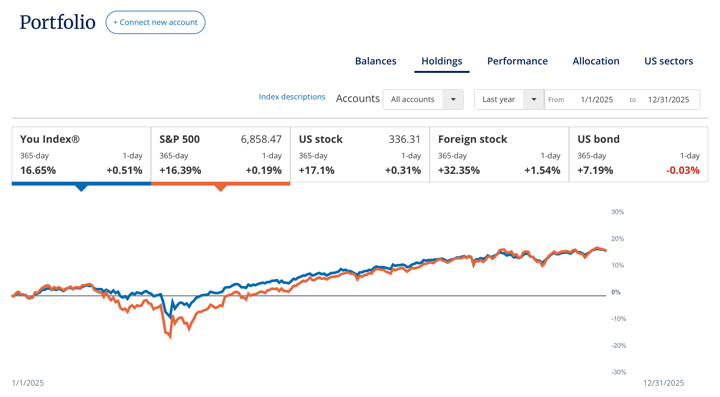
Below are the updated performance and asset allocation charts from the “Holdings” and “Allocation” tabs of my Empower Personal Dashboard.
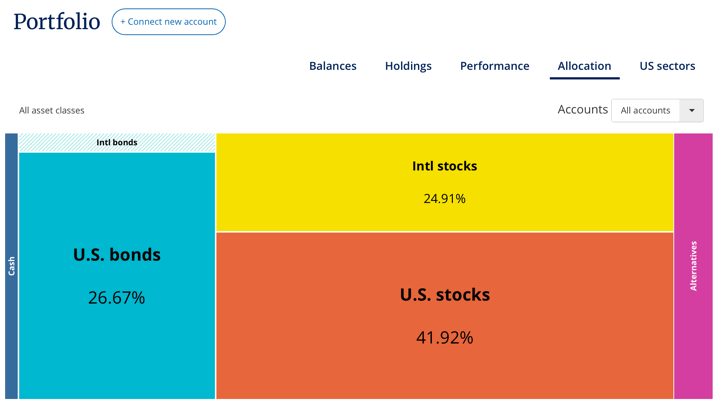
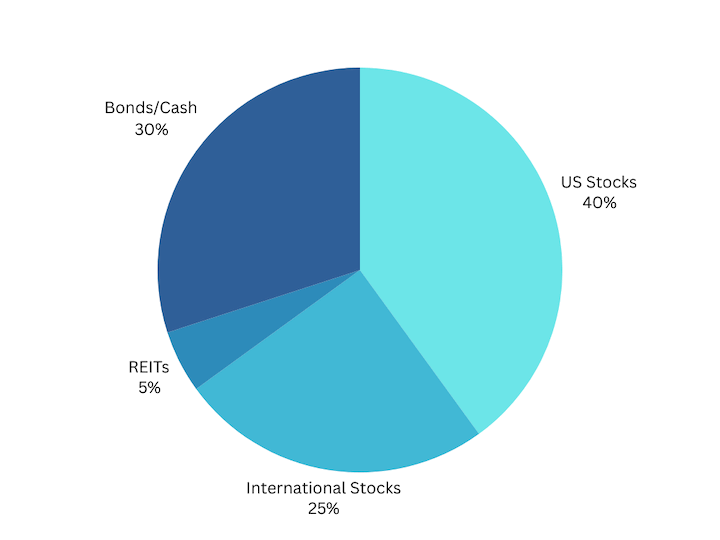
The core of my portfolio consists mainly of broad index ETFs. While I do diversify a little, the overall strategy remains consistent. Here’s a model version of my target asset allocation, along with sample ETF holdings for each asset class:
- 35% US Total Market (VTI)
- 5% US Small-Cap Value (AVUV)
- 20% International Total Market (VXUS)
- 5% International Small-Cap Value (AVDV)
- 5% US Real Estate (REIT) (VNQ)
- 20% US “Regular” Treasury Bonds and/or FDIC-insured deposits (VGSH)
- 10% US Treasury Inflation-Protected Bonds (SCHP)
In summary, my portfolio is composed of 70% equities and 30% secure bonds and cash:
By minimizing costs, including management fees, transaction spreads, and taxes, I aim to secure above-average net performance over time.
I don’t typically spend a lot of time backtesting various model portfolios, as the most popular ones often tend to hold the asset class that has recently performed the best.
The best portfolio for you is the one you can hold onto during challenging times. I have maintained this same portfolio for 20 years. Take a look at these older posts from 2004 and 2005. Every asset class will eventually experience a downturn, and it’s crucial to have strong conviction during those periods to reap historically high returns. You need to keep investing in stocks during market crashes and, similarly, maintain your investments in rental properties even during housing market difficulties. A good indicator is if you want to buy more of an asset when prices drop, rather than less. Personally, I don’t have strong faith in the long-term prospects of commodities, gold, or bitcoin, so I don’t include them in my portfolio.
Performance Overview. Here’s an updated Year-to-Date Growth of $10,000 chart provided by Testfolio, showcasing the performance differences among major ETFs across broad indexes:
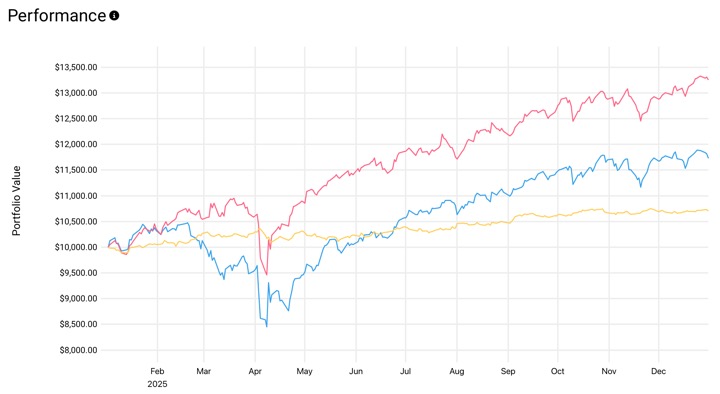
Almost everything rose in 2025. I anticipate 2026 will be anything but dull. I will discuss the income aspect in a future post.