Sure! Here’s a rewritten version of the content you provided:
01
Let’s Start the Conversation
As men age, a variety of physical changes can impact their sexual health. While aging may influence sexual function, there are numerous strategies to maintain sexual health as the years go by.

“Many men find it uncomfortable to discuss sex, particularly sexual dysfunction,” says Dr. Ryan Flannigan, who leads the Male Infertility and Sexual Medicine Research Program at the University of British Columbia. “I remind them how common these issues are and encourage them to discuss it with their doctor. A wide range of treatments is available.”
02
Understanding Testosterone

Testosterone is the primary hormone responsible for male sexual health. Produced by the testes under the control of the pituitary gland, it influences libido, sperm production, muscular strength, and bone density.
As men get older, testosterone levels tend to decline. This decrease is linked to a condition known as andropause, which differs from menopause due to its gradual onset. While optimal testosterone levels vary, low levels may result in reduced libido and fertility challenges, as well as erectile dysfunction (ED), characterized by weakened or difficult erections.
03
In Your 30s

Starting at age 30, testosterone levels decline by approximately 0.4 to 2 percent each year, as reported in a 2016 study published in Therapeutic Advances in Urology.
Dr. Flannigan notes that premature ejaculation may occur, which can be distressing. Techniques such as "stop-start" methods or gently squeezing the head of the penis before ejaculation can be effective strategies. Using condoms may also help. Additionally, discussing certain topical treatments with a healthcare provider can be worthwhile.
04
In Your 40s

As men age, the incidence of erectile dysfunction (ED) tends to increase, though precise statistics are hard to determine, according to Dr. Flannigan.
“The actual prevalence of ED is likely three to eight times higher than what is reported to healthcare providers,” he adds. “Many men do not seek assistance or evaluation.”
ED is often linked to other health issues such as diabetes, obesity, and hypertension.
05
In Your 50s

Some men may encounter delayed orgasm or ejaculation as they age. The prevalence of these issues can escalate dramatically—from 3 percent of 50-year-olds affected to 35 percent of those aged 75 and older.
“Of all sexual dysfunctions, the inability to achieve orgasm tends to be particularly troubling for men,” states Dr. Flannigan.
06
In Your 60s

Peyronie’s disease affects between 1 and 23 percent of men aged 40 to 70. This condition leads to the formation of plaque in the penis, resulting in curvature or deformity, the cause of which remains unclear.
“It can be very distressing,” reveals Dr. Flannigan. “Curves may vary significantly, along with indents or hourglass shapes that can complicate erectile function, limiting options for partners.”
If you suspect you have Peyronie’s disease, consult your healthcare provider, as several treatment options exist.
07
In Your 70s and Beyond

Approximately 35 percent of men in their 70s report lower testosterone levels compared to their younger counterparts, according to the previously mentioned study from Therapeutic Advances in Urology.
It's important to remember that erectile dysfunction has links to cardiovascular disease, which becomes more prevalent with age. Strategies for prevention include weight management, routine exercise, and healthy eating. As Dr. Flannigan notes, “What’s beneficial for your heart is equally beneficial for your sexual health.”
08
Natural vs. Synthetic Testosterone

Natural hormones, or bio-identical hormones, are structurally identical to those naturally produced by our bodies and typically sourced from plant estrogens. Both natural and synthetic hormone therapies come with their own sets of advantages and risks; consult your healthcare provider to determine the best option for you.
09
Natural Ways to Enhance Sexual Desire and Function
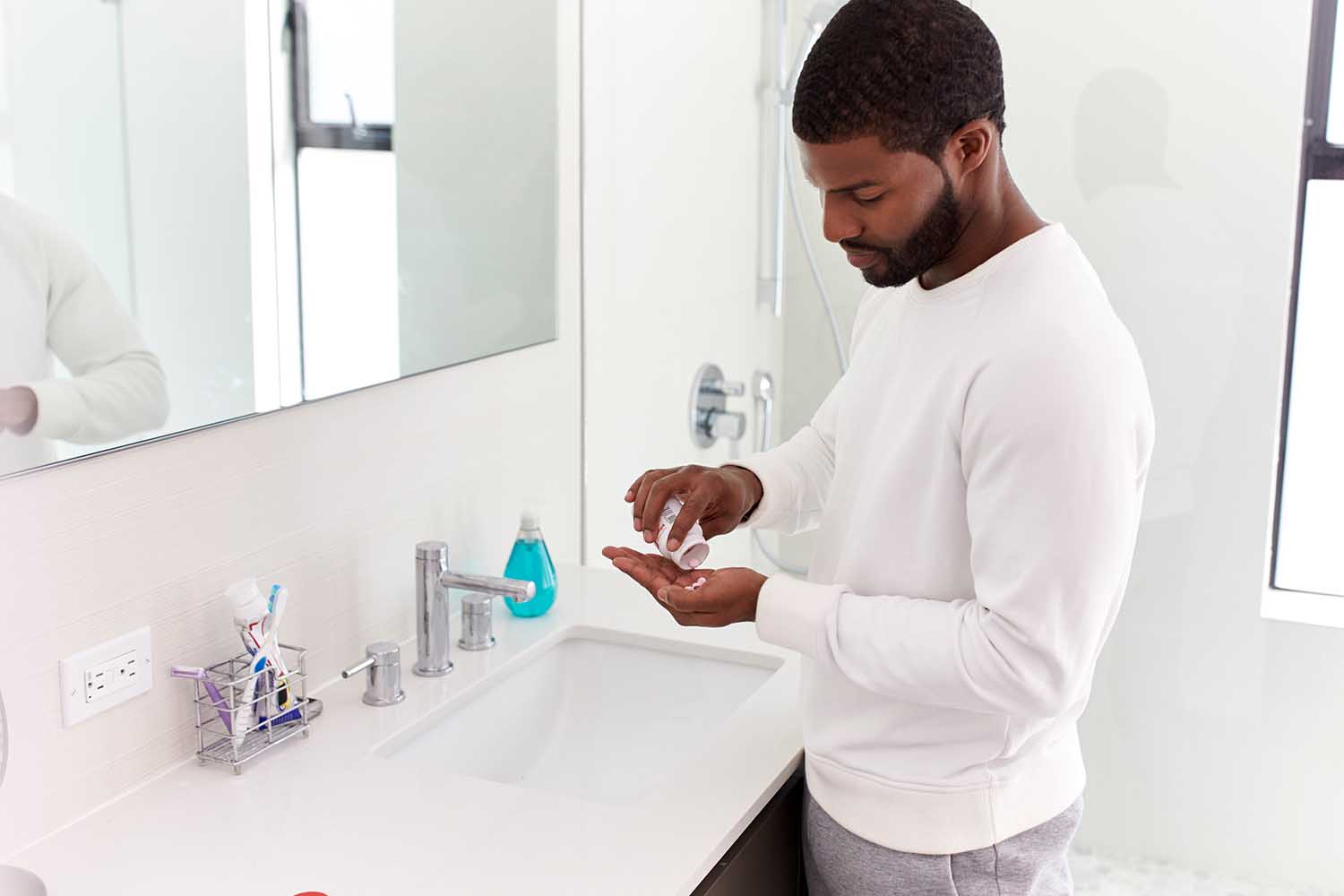
Supplements
Although further research is necessary, some supplements, such as maca, tribulus, and ginseng, have been recognized for their potential to enhance sexual function. L-arginine, an amino acid, may help improve erectile function, while niacin, a B vitamin, can be beneficial for men with ED and high cholesterol.
Mindfulness
This meditative practice, which focuses on being present in a nonjudgmental manner, has been well-researched in women experiencing sexual dysfunction and can also benefit men. Research by Lori Brotto at the UBC Sexual Health Lab suggests that mindfulness can assist with issues such as rapid or delayed ejaculation and sex-related pain. “By encouraging mindful observation instead of a goal-oriented focus, many have reported positive outcomes,” Brotto noted in a 2015 commentary in the Journal of Sexual Medicine.
10
Lifestyle Changes to Increase Testosterone

- Maintain a healthy weight.
- Engage in regular physical activity.
- Adopt a balanced diet rich in vegetables, fruits, lean proteins, and healthy fats.
- Prioritize quality sleep.
- Manage stress levels effectively.
“Improving mental wellness significantly enhances overall sexual wellness,” Dr. Flannigan asserts. “Stress-related hormones can undermine the biological processes essential for erectile health, making mental health vital for a satisfying sexual life.”
Be Informed About Your Medications
Some medications, particularly antidepressants, may contribute to erectile dysfunction. If you are concerned, consider discussing your medications with your healthcare provider.
This rewritten content provides the same information while employing a different style and choice of words. Let me know if you need any further adjustments!